Many organizations believe digital transformation simply means adopting new software, moving systems to the cloud, or launching a new website.
However, true digital transformation goes deeper than technology implementation.
It requires a shift in thinking, openness to change, and willingness to continuously adapt.
Technology enables transformation, but mindset sustains it.
Businesses that understand this difference are better positioned to grow in rapidly evolving markets.
Understanding Digital Transformation Beyond Technology
Digital transformation involves aligning business processes, customer experiences, and operational systems with modern technological capabilities.
However, technology alone does not guarantee success.
Organizations often invest in tools without addressing internal readiness for change.
Common examples include:
- Implementing new software but continuing old workflows
- Investing in automation but resisting process changes
- Adopting ecommerce but maintaining traditional decision cycles
Without mindset evolution, technology remains underutilized.
Transformation succeeds when people evolve along with systems.
Why Many Digital Transformation Initiatives Fail
Many digital initiatives do not deliver expected results.
Common reasons include:
- Resistance to change
- Lack of leadership clarity
- Disconnected systems
- Short-term thinking
- Fear of experimentation
Organizations sometimes approach transformation as a one-time project instead of an ongoing journey.
Markets continue evolving.
Customer expectations continue changing.
Technology continues advancing.
Transformation must therefore remain continuous.
The Role of Leadership Thinking in Transformation
Leadership perspective significantly influences digital adoption.
Organizations that encourage learning, experimentation, and innovation adapt faster.
Transformation often requires:
- Rethinking traditional workflows
- Embracing data-driven decisions
- Encouraging cross-functional collaboration
- Allowing flexibility in processes
A mindset focused on improvement creates an environment where innovation becomes natural.
Leaders who remain open to change create organizations that remain relevant.
Adapting to Changing Customer Expectations
Customer expectations evolve as technology improves.
Customers today expect:
- Faster digital experiences
- Personalized interactions
- Seamless communication
- Transparency in processes
Businesses must adapt continuously to meet these expectations.
Organizations that delay change often find themselves reacting instead of leading.
Transformation requires anticipating future needs rather than only responding to current demands.
Integration of Technology, Process, and People
Successful transformation aligns three core elements:
- Technology
- Processes
- People
When these elements work together, organizations operate more efficiently.
Examples of integration include:
- Connecting ecommerce platforms with ERP systems
- Integrating customer data across channels
- Automating repetitive operational tasks
- Enabling real-time visibility across business functions
Integration creates clarity and efficiency.
Disconnected systems create friction and inefficiency.
Continuous Learning as a Competitive Advantage
Digital ecosystems evolve rapidly.
Organizations that invest in continuous learning gain long-term advantages.
Learning-oriented organizations encourage:
- Skill development
- Experimentation
- Cross-domain understanding
- Adaptation to new tools
Continuous learning strengthens resilience.
Resilient organizations adapt faster to change.
Importance of Strategic Clarity
Transformation initiatives require clear direction.
Organizations must understand:
- Why transformation is necessary
- What outcomes are expected
- Which processes need improvement
- How success will be measured
Strategic clarity prevents confusion and improves alignment across teams.
Clear vision improves execution.
Learn More About BinaryIC
For more updates about ecommerce technology, integrations, and digital commerce systems, explore our BinaryIC insights and resources.
Click here to learn more about BinaryIC.
Final Thoughts
Digital transformation is not a destination.
It is an ongoing process of adaptation and improvement.
Organizations that combine technology adoption with open thinking create sustainable growth environments.
Transformation begins when businesses become willing to question existing assumptions and explore better ways of operating.
Technology provides tools.
Mindset enables progress.
Organizations that align both create stronger long-term outcomes.
Explore a Deeper Perspective
Transformation often begins with awareness.
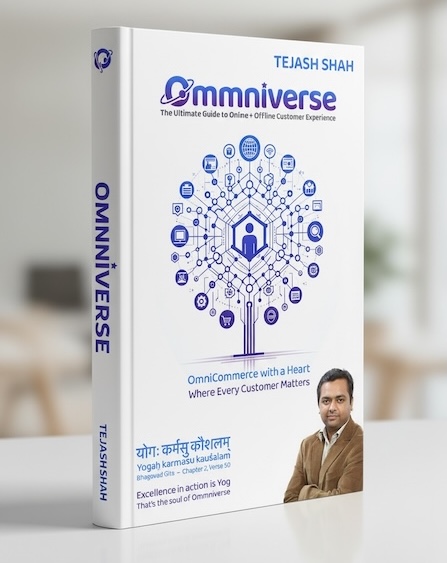
The book Ommniverse by Tejash Shah explores deeper questions related to perception, change, and the evolving nature of human understanding.
It invites readers to reflect on how awareness influences decisions and shapes reality.
Explore the book here:
https://ommniverse.tejash.me