Retail has evolved significantly over the last decade. Customers today interact with brands across multiple touchpoints including websites, mobile apps, marketplaces, social media, and physical stores.
In this environment, businesses can no longer operate online and offline channels independently. Customers expect a seamless experience regardless of where they interact with the brand.
This is where omnichannel retail technology becomes essential.
Omnichannel technology connects all commerce channels into a unified ecosystem, allowing businesses to deliver consistent customer experiences while managing operations efficiently.
Understanding Omnichannel Retail
Omnichannel retail refers to the integration of online and offline commerce channels so that customers can move seamlessly between them.
For example, a typical omnichannel customer journey may look like this:
Discover a product on social media
Visit the brand’s website to explore options
Check availability at a nearby store
Experience the product physically
Complete the purchase online or offline
From the customer’s perspective, this should feel like one continuous experience.
Behind the scenes, however, it requires strong technological integration.
Why Omnichannel Retail Technology Matters
Retail businesses that adopt omnichannel strategies often experience better customer engagement and higher revenue.
Here are some key benefits.
1. Seamless Customer Experience
Customers expect consistency across all channels.
They should be able to:
browse products online
check store availability
purchase through mobile devices
pick up from physical stores
Omnichannel technology ensures that every channel works together smoothly.
2. Unified Customer Data
Omnichannel platforms allow businesses to maintain a single view of the customer.
This helps brands understand:
purchasing patterns
browsing behavior
preferences and interests
With this information, businesses can create personalized shopping experiences.
3. Improved Inventory Visibility
One of the biggest advantages of omnichannel systems is real-time inventory visibility.
Customers can see:
which products are available online
which items are available at nearby stores
estimated delivery timelines
This reduces frustration and improves purchase confidence.
4. Better Operational Efficiency
Retailers often struggle with disconnected systems across their stores, warehouses, and digital platforms.
Omnichannel technology integrates these systems so businesses can manage:
orders
inventory
logistics
customer interactions
through a unified platform.
5. Higher Customer Retention
Customers who interact with brands across multiple channels tend to be more engaged and loyal.
When customers experience smooth transitions between digital and physical channels, they are more likely to return.
This strengthens long-term brand relationships.
Key Components of Omnichannel Retail Technology
Implementing an omnichannel strategy typically involves several technologies working together.
These may include:
ecommerce platforms
ERP integration
inventory management systems
store locator and store finder tools
customer data platforms
marketing automation systems
When properly connected, these systems create a powerful commerce ecosystem.
The Role of Technology Partners
Implementing omnichannel commerce requires more than just installing software.
Businesses need the right architecture, integrations, and digital strategy to make everything work smoothly.
This is where experienced digital commerce partners such as Binary help businesses design and implement scalable omnichannel systems.
These solutions enable brands to unify their digital platforms, physical retail operations, and backend systems.
The Future of Retail is Unified Commerce
Retail is moving toward a world where customers do not distinguish between online and offline shopping.
They simply interact with brands wherever it is most convenient.
Businesses that invest in omnichannel technology today will be better positioned to deliver these experiences and remain competitive in the evolving retail landscape.
The goal is simple: create one seamless brand experience across every touchpoint.
Final Thoughts
Omnichannel retail technology is no longer a luxury reserved for large enterprises. It is becoming a necessity for businesses that want to meet modern customer expectations.
By integrating digital platforms, physical stores, and backend systems, retailers can create smoother customer journeys and more efficient operations.
As commerce continues to evolve, businesses that embrace omnichannel strategies will be better prepared for the future of retail.
Technology, commerce, and business systems shape how we operate, but the choices behind them are influenced by deeper awareness and perspective.
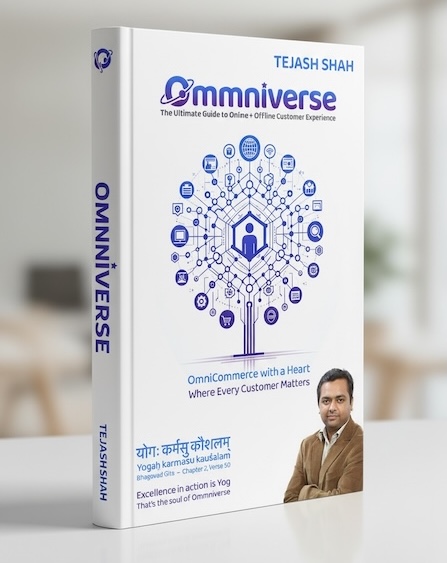
If you enjoy reflecting on questions about consciousness, human choices, destiny, and awareness, you may find the book Ommniverse by Tejash Shah worth exploring.
The book invites readers to look beyond surface realities and think about the deeper nature of life and decision-making.